What I learnt from a visit to Amaravati

Saturday, October 3rd, 8:30 PM. I was boarding a flight from Vijayawada to Hyderabad, reflecting on a couple of days spent meeting entrepreneurs, incubators, and policymakers in Andhra Pradesh.
Seeing is believing. You have to actually visit Amaravati to understand how serious the government is about building a city of the future.

I listened to the Hon. Chief Minister, Chandrababu Naidu Garu, and Lokesh Nara Garu, the Minister for IT, outline their plans. They talked about regional clusters, innovation, and keeping 30–40% of the city green. The pace they were planning for, and the sense of extreme urgency, was palpable.
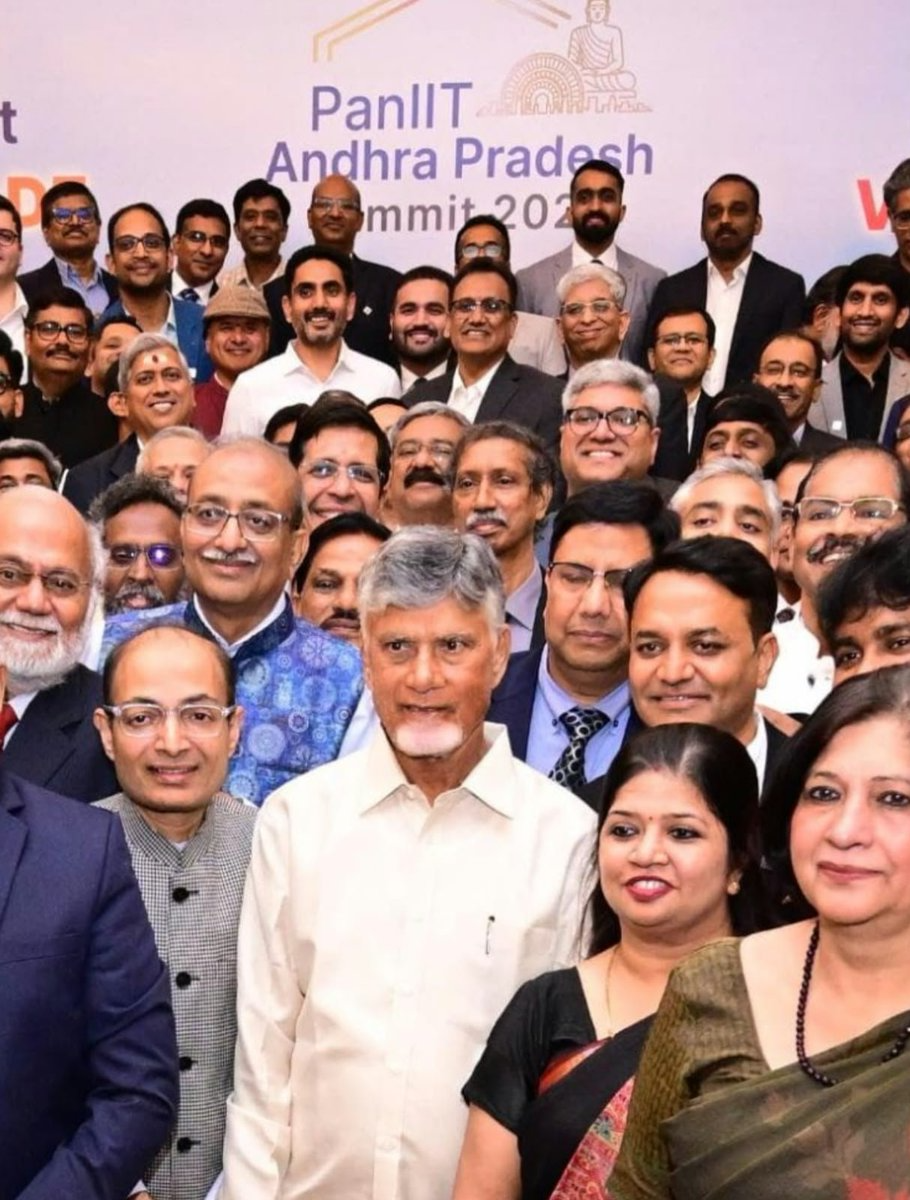
As I sat on the plane, it struck me that these plans are essentially a massive bet on the execution capability of regular people. And that made me think about how there are some takeaways for some of us who back ideas that seem outlandish, at least at first.
At the early stage, we talk constantly about betting on people. It is quite common. Every successful investor will tell you that they invest in the founders, not the idea. Some claim they will write a check based on just the team, without even looking at the product.
But if people-betting is so effective, why is it so hard to do? Why doesn’t everyone do it?
A people bet is often what we rely on when we can’t prove a moonshot’s feasibility. If a founder tells you they want to build something crazy, you can’t verify anything in the pitch. So you decide based on whether you think the founder can execute.
And in early-stage investing, this fallback is mostly what is relevant because the initial idea is almost always wrong. An idea is just a snapshot of what a founder believed at some point in time before life happened. If you invest in the right team, they will find a way to build something out of the chaos when the original idea breaks.
So then, what does a good team actually look like?
It does not mean charisma. In fact, professional polish is often a bad sign for me. If a founder spends a lot of time learning how to look like a founder, they probably aren’t spending enough time building things.
Instead, I look for:
-
Curiosity. The best founders aren’t trying to win the valuation game or compete over round sizes. They are simply obsessed with the problem. When they talk, it doesn’t feel like a pitch. It feels like they are letting you in on an obsession. The company is just a vehicle for doing what they love. Building a company is a byproduct.
-
Clarity of thought. If you think clearly, you speak clearly. If a founder can’t explain what they are doing in simple words, it usually means they haven’t figured it out yet. At least for me. Sure, initially, there is confusion, and maybe there is some merit in helping the founder make sense of the chaos, but if you are not able to relate to the vision or get influenced, maybe something is lacking.
-
Earnestness. Every startup spends its first few years failing. The real test of a founder is what happens when things break. Do they get defensive? Do they blame their team or their investors? Or do they look at the situation and start rebuilding? The best founders talk about their failures in a way that leaves us all mesmerised.
-
Dream team. You can’t build a great company alone (at least for now…). You need to attract people who are smarter than you. Great founders have that pull, that conviction that convinces talented people to quit safe jobs to work on something that sounds completely insane to everyone else.
The problem is that none of these traits is easy to spot.
The only way to find them is to invest time in figuring it out yourself. You have to hang out with the founders. You have to watch how they treat their employees, how they talk to customers, and how they behave when things go wrong.
Which means early-stage investing isn’t really finance or art at all. It is about time.
And yeah, it is a people bet.
And after seeing the urgency in AP, I think they are making the same bet.